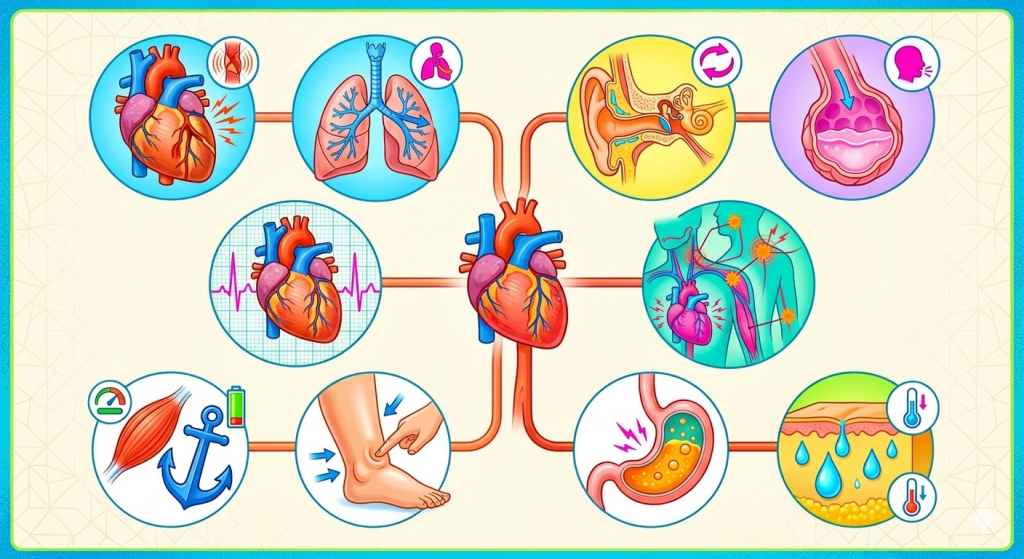
Heart disease is one of the leading causes of death in Pakistan, yet many people ignore early warning signs until it’s too late. Recognizing symptoms early can save your life. If you’re living in Lahore, Gujranwala, or nearby cities, it’s important to know what to watch out for and when to consult a specialist.
Dr. Shoaib Sarwar Hashmi, MRCP (London), a top cardiologist in Lahore and Gujranwala, recommends regular screenings to catch heart issues early.
Chest Pain or Discomfort: The Most Common Sign
Chest pain is often the first warning signal of a heart problem. Patients in Lahore clinics frequently report tightness, pressure, or heaviness in the chest, sometimes radiating to the arm, neck, jaw, or back.
Primary Keyword: heart disease symptoms in Pakistan
Secondary Keyword: chest pain causes
If chest discomfort occurs during activity or stress, or lasts more than a few minutes, book a heart screening immediately.
Shortness of Breath
Difficulty breathing, especially during mild exertion or while lying down, can indicate heart disease. Shortness of breath often accompanies fluid retention caused by a weak heart.
Commonly reported by patients in Lahore and Gujranwala clinics.
Often seen alongside chest pain or fatigue.
Irregular Heartbeat (Arrhythmia)
A racing, fluttering, or skipped heartbeat is not just uncomfortable it can signal an underlying heart issue.
Patients sometimes notice palpitations at night or after caffeine intake.
Persistent irregular heartbeat should be evaluated by an arrhythmia specialist in Lahore.
Extreme Fatigue
Feeling unusually tired without a clear reason may be a warning sign of heart disease. Fatigue occurs because the heart is less efficient at pumping blood to organs and muscles.
Common among adults aged 35–65 in Pakistan.
Can be mistaken for stress or lifestyle fatigue, so professional evaluation is essential.
Swelling in Legs, Ankles, or Feet (Edema)
Fluid buildup, especially in the lower extremities, can indicate heart failure. Patients visiting Lahore clinics often report swelling in the evening, which improves after rest.
Known locally as pao aur ankle mein sujan.
If persistent, consult a heart failure specialist in Pakistan.
Dizziness or Lightheadedness
Frequent dizziness or fainting spells may result from reduced blood flow caused by heart conditions such as arrhythmia or heart valve problems.
These symptoms are often reported during routine checkups in Gujranwala.
Could indicate a need for ECG or stress testing.
Persistent Cough or Wheezing
A chronic cough or wheezing, especially when accompanied by white or pink blood-tinged mucus, can be a sign of heart disease.
Fluid accumulation in the lungs due to heart failure can trigger these symptoms.
Patients sometimes confuse it with asthma or respiratory infections.
Pain in Other Areas: Jaw, Neck, Back, or Arm
Heart pain can radiate beyond the chest.
Commonly, patients notice pain in the left arm or jaw during a heart attack.
In Lahore, many patients first visit for jaw or back discomfort, unaware of the cardiac cause.
Nausea, Vomiting, or Indigestion
Heart problems can sometimes mimic digestive issues.
Women in Pakistan often report nausea, vomiting, or bloating as early heart disease symptoms.
Do not ignore persistent digestive discomfort, especially with other cardiac warning signs.
Sweating or Cold Clammy Skin
Excessive sweating without exertion, along with cold and clammy skin, is a red flag.
Known as sudden excessive paseena in Urdu.
Often accompanies chest pain and shortness of breath during a heart attack.
When to See a Cardiologist in Lahore
If you notice any of these symptoms, it’s essential to consult a qualified cardiologist. Dr. Shoaib Sarwar Hashmi provides expert evaluations for patients in Lahore and Gujranwala. Early detection through screening can prevent serious complications such as heart attack or heart failure.
Book a heart screening with Dr. Shoaib today and take charge of your heart health.
FAQ — Heart Disease Symptoms in Pakistan
Q1: What are the first signs of heart disease in Urdu?
A1: Common early signs include chest pain (seene mein dard), shortness of breath (saans phoolna), fatigue (thakan), and palpitations (dil ki dhadkan tez ya aniyamit hona).
Q2: Can heart disease cause leg swelling?
A2: Yes, fluid buildup due to heart failure often causes swelling in legs, ankles, or feet (pao aur ankle mein sujan).
Q3: When should I go to the hospital for heart symptoms?
A3: Seek immediate care if you have severe chest pain, shortness of breath, dizziness, or cold sweaty skin. For milder symptoms, schedule a screening with a cardiologist in Lahore.
Q4: Can a heart attack occur without chest pain?
A4: Yes, especially in women and elderly patients. Symptoms may include nausea, fatigue, shortness of breath, or jaw pain.
Remember: Heart disease can develop silently. Regular checkups and awareness of these 10 warning signs are crucial for prevention. Don’t wait, book a heart screening with Dr. Shoaib Sarwar Hashmi in Lahore today.