High blood pressure is one of the most common health problems in Pakistan, yet many people do not realize they have it until serious complications develop. Often called the “silent killer,” hypertension can quietly damage the heart, brain, and kidneys over time.
In major cities like Lahore and Gujranwala, cardiologists are seeing a rising number of patients with uncontrolled blood pressure due to stress, unhealthy diets, and sedentary lifestyles. Early diagnosis and proper treatment can significantly reduce the risk of heart attack, stroke, and heart failure.
Dr. Shoaib Sarwar Hashmi, MRCP (London), provides expert evaluation and management for patients dealing with high blood pressure and other heart conditions.
What Is High Blood Pressure?
High blood pressure, also known as hypertension, occurs when the force of blood pushing against the walls of your arteries remains consistently high.
A normal blood pressure reading is usually around 120/80 mmHg. When readings remain above 140/90 mmHg over time, doctors may diagnose hypertension.
Many patients search online for high blood pressure treatment Lahore when they begin experiencing symptoms or receive abnormal readings during routine medical checkups.
Hypertension can develop gradually over years, which is why regular monitoring is important for adults over 35.
Common Causes of High Blood Pressure in Pakistan
Several lifestyle and environmental factors contribute to rising blood pressure levels in Pakistani populations.
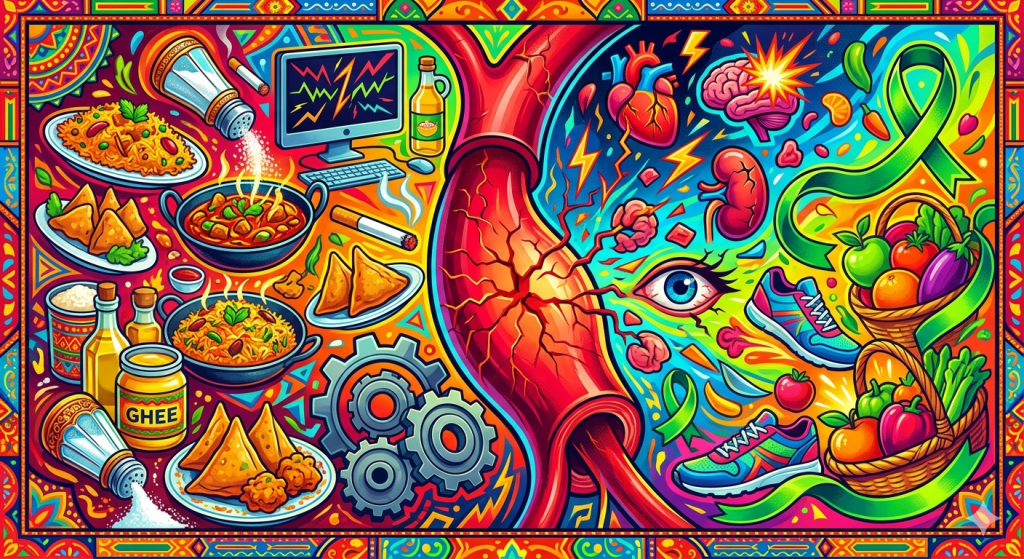
One major factor is the local diet. Traditional foods often contain high levels of salt, oil, and saturated fats.
Common diet related triggers include
• Frequent consumption of salty foods such as pickles and chutneys
• Excess use of cooking oils and ghee
• High intake of fried foods like samosas and pakoras
• Heavy meals such as biryani, nihari, and karahi
• Low intake of fresh fruits and vegetables
Other contributing causes include
• Chronic stress from work or financial pressure
• Smoking and tobacco use
• Lack of physical activity
• Obesity or weight gain
• Family history of hypertension
Because of these factors, many adults in Lahore and Gujranwala develop high blood pressure earlier than expected.
Early Symptoms of High Blood Pressure
Hypertension is often called a silent condition because many people experience no obvious symptoms.
However, some patients report warning signs such as
• Frequent headaches
• Dizziness or lightheadedness
• Blurred vision
• Shortness of breath
• Chest discomfort
• Fatigue or weakness
In Urdu, patients sometimes describe these symptoms as sar dard, chakkar, saans ka phoolna, or dil par bojh mehsoos hona.
If these symptoms appear frequently, it is important to consult a blood pressure cardiologist for proper evaluation.
Health Risks of Untreated Hypertension
Ignoring high blood pressure can lead to serious and potentially life threatening complications.
Over time, constant pressure damages blood vessels and vital organs.
Major risks include
• Heart attack
• Stroke
• Heart failure
• Kidney disease
• Vision problems
• Aneurysm formation
Cardiologists in Lahore often see patients who only discover their hypertension after experiencing chest pain or a cardiac emergency. Early detection is the best way to avoid these outcomes.
High Blood Pressure Treatment in Lahore
Treatment for hypertension usually involves a combination of lifestyle changes and medication. A qualified hypertension specialist Pakistan can design a treatment plan based on your individual risk factors.
Lifestyle changes may include
• Reducing salt intake
• Maintaining a healthy body weight
• Exercising regularly
• Managing stress levels
• Avoiding smoking and excessive caffeine
Doctors may also prescribe medications that help control blood pressure, improve heart function, and protect blood vessels from damage.
Regular monitoring and follow up appointments are essential to ensure treatment is working effectively.
When Should You See a Cardiologist?
Many people delay seeking medical care because they believe high blood pressure is not serious. However, early consultation with a cardiologist can prevent long term complications.
You should consider seeing a heart specialist if
• Your blood pressure readings remain above normal for several days
• You experience chest pain, dizziness, or severe headaches
• You have diabetes or a family history of heart disease
• You are over the age of 40 and have never had a heart screening
Patients in Lahore and Gujranwala frequently visit cardiology clinics after experiencing persistent headaches or abnormal readings during routine checkups.
A specialist can evaluate your heart health and recommend appropriate treatment.
Preventing High Blood Pressure Through Lifestyle
Preventing hypertension is possible through simple daily habits.
Heart healthy lifestyle choices include
• Eating fresh fruits and vegetables daily
• Reducing salt in home cooked meals
• Walking for at least 30 minutes a day
• Maintaining a healthy weight
• Managing stress through relaxation techniques
These small changes can significantly reduce your risk of heart disease.
When to Seek Immediate Medical Help
Some symptoms may indicate dangerously high blood pressure or a possible heart emergency.
Seek urgent medical care if you experience
• Severe chest pain
• Sudden shortness of breath
• Fainting or severe dizziness
• Vision changes
• Sudden weakness on one side of the body
Immediate evaluation can prevent serious complications.
Consult a Hypertension Specialist in Lahore
High blood pressure is manageable when diagnosed early and treated properly. Regular heart checkups help detect problems before they become life threatening.
Dr. Shoaib Sarwar Hashmi offers expert care for patients with hypertension and other heart conditions in Lahore and Gujranwala.
Consult Dr. Shoaib for hypertension management and take the first step toward protecting your heart health.
FAQ About High Blood Pressure in Pakistan
Q1: What is considered high blood pressure in Pakistan?
Blood pressure readings above 140/90 mmHg are generally considered high and may require medical evaluation and treatment.
Q2: Can high blood pressure cause chest pain?
Yes, uncontrolled hypertension can strain the heart and lead to chest pain or discomfort, which should be evaluated by a cardiologist.
Q3: Is high blood pressure common in younger adults in Pakistan?
Yes. Due to stress, poor diet, and sedentary lifestyles, many adults in their 30s and 40s are now developing hypertension.
Q4: Can diet affect blood pressure?
Yes. High salt intake, oily foods, and processed meals can increase blood pressure, while fruits and vegetables help control it.