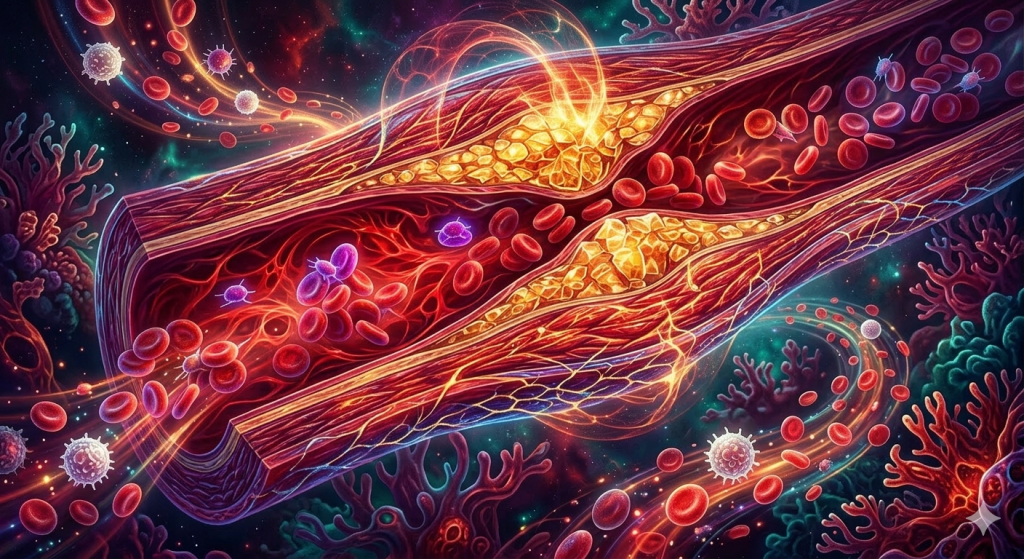
Coronary artery disease is one of the most common heart conditions affecting people in Pakistan. It develops slowly over time and can lead to serious complications such as heart attack if not treated early.
Many patients in cities like Lahore and Gujranwala visit cardiology clinics after experiencing chest discomfort or shortness of breath, only to discover that their heart arteries have become narrowed or blocked.
Understanding the symptoms and treatment options can help you take action before the condition becomes life threatening.
Dr. Shoaib Sarwar Hashmi, MRCP (London), provides expert diagnosis and advanced coronary artery disease treatment in Pakistan, helping patients manage heart blockage and restore healthy blood flow to the heart.
What Is Coronary Artery Disease?
Coronary artery disease, often called CAD, occurs when the arteries that supply blood to the heart become narrowed or blocked due to a buildup of fatty deposits known as plaque.
These deposits accumulate over time and reduce the amount of oxygen rich blood reaching the heart muscle.
When the heart does not receive enough blood, patients may experience symptoms such as chest pain or pressure. In severe cases, a complete blockage can trigger a heart attack.
CAD is one of the leading causes of heart related deaths in Pakistan, which is why early diagnosis and treatment are extremely important.
What Causes Coronary Artery Disease?
Coronary artery disease usually develops due to long term damage to the arteries. Several lifestyle and health factors increase the risk of plaque buildup.
Common causes include
• High blood pressure
• High cholesterol levels
• Smoking
• Diabetes
• Obesity
• Lack of physical activity
• Family history of heart disease
In Pakistan, unhealthy eating habits and sedentary lifestyles contribute significantly to the rising number of CAD cases.
Frequent consumption of oily foods, fried snacks, and high salt meals can increase cholesterol levels and damage blood vessels over time.
Common Symptoms of Coronary Artery Disease
The symptoms of coronary artery disease may appear gradually. Some people experience warning signs for months before diagnosis.
Common symptoms include
• Chest pain or tightness, also known as angina
• Shortness of breath during physical activity
• Fatigue or weakness
• Pain spreading to the arm, neck, or jaw
• Dizziness or lightheadedness
Many patients in Lahore report chest discomfort while climbing stairs or walking quickly. These symptoms should never be ignored, as they may indicate reduced blood flow to the heart.
Risk Factors for Heart Blockage
Certain factors significantly increase the chances of developing heart blockage.
These include
• Age over 40
• High blood pressure
• Diabetes
• High cholesterol
• Smoking or tobacco use
• Being overweight
• Family history of heart disease
People who have multiple risk factors should consider regular heart screenings to detect problems early.
How Coronary Artery Disease Is Diagnosed
Cardiologists use several tests to identify coronary artery disease and determine the severity of blockage.
Common diagnostic tests include
• Electrocardiogram (ECG) to measure heart rhythm
• Stress test to evaluate heart performance during activity
• Echocardiogram to examine heart structure and function
• Coronary angiography to identify blocked arteries
These tests help cardiologists determine the best treatment plan for each patient.
Coronary Artery Disease Treatment in Pakistan
Treatment depends on how severe the artery blockage is and the patient’s overall health.
In early stages, lifestyle changes and medications may help control the condition.
Doctors may recommend
• Cholesterol lowering medications
• Blood pressure control medicines
• Blood thinning medications
• Lifestyle improvements such as diet and exercise
However, when arteries become severely narrowed, advanced procedures may be required to restore blood flow.
Angioplasty and Stent Placement
One of the most effective treatments for blocked heart arteries is angioplasty.
During this procedure, a cardiologist inserts a small balloon into the blocked artery and inflates it to widen the blood vessel. A tiny mesh tube called a stent is often placed to keep the artery open.
Angioplasty in Lahore is commonly performed for patients with significant coronary artery blockage. The procedure helps improve blood flow and reduce symptoms such as chest pain and shortness of breath.
Recovery time is usually short, and many patients return to normal activities within a few days.
Lifestyle Changes After Treatment
Even after treatment, maintaining a healthy lifestyle is essential for preventing further artery blockage.
Cardiologists often recommend
• Eating a heart healthy diet with less oil and salt
• Exercising regularly
• Quitting smoking
• Managing stress levels
• Maintaining a healthy body weight
These changes help protect the heart and reduce the chances of future complications.
When Should You See a Cardiologist?
You should consult a heart specialist if you experience symptoms that could indicate coronary artery disease.
Warning signs include
• Persistent chest pain or pressure
• Shortness of breath during normal activities
• Unexplained fatigue
• Pain in the arm, jaw, or back
Early evaluation can prevent serious complications and help patients receive the right treatment at the right time.
If you are experiencing these symptoms, it is important to consult the best cardiologist for heart blockage to determine the cause and receive appropriate care.
Coronary Artery Disease Care in Lahore and Gujranwala
Heart disease can often be managed successfully when detected early. With modern diagnostic tools and advanced treatments, patients can live healthier and longer lives.
Dr. Shoaib Sarwar Hashmi provides expert care for patients with coronary artery disease and other heart conditions. His approach focuses on accurate diagnosis, advanced treatment, and long term heart health management.
Schedule a consultation for CAD evaluation and take the first step toward protecting your heart health.
FAQ About Coronary Artery Disease
What is the most common symptom of coronary artery disease?
Chest pain or pressure, known as angina, is the most common symptom. It often occurs during physical activity or stress.
Can coronary artery disease be cured?
While CAD cannot always be completely cured, it can be effectively managed with medication, lifestyle changes, and procedures such as angioplasty.
Is angioplasty safe?
Yes, angioplasty is a widely performed and safe procedure when done by experienced cardiologists. It helps restore blood flow to the heart.
When should I see a cardiologist for heart blockage?
If you experience chest pain, shortness of breath, or unexplained fatigue, you should consult a cardiologist for proper evaluation.