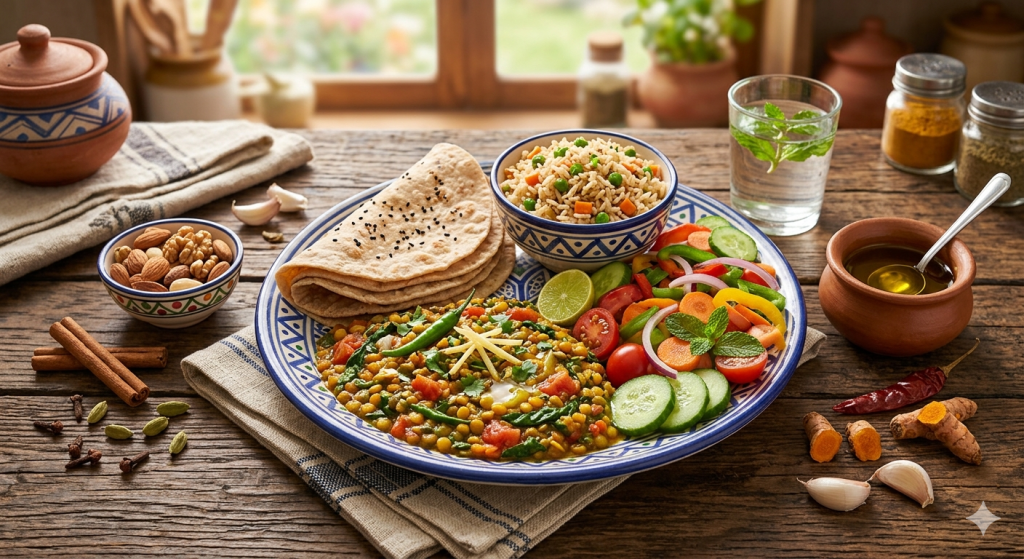
Heart disease is a growing health concern in Pakistan. Many people enjoy rich, flavorful foods, but some traditional desi foods can increase the risk of heart problems if eaten in excess.
Eating a heart healthy diet Pakistan is essential for preventing heart disease, controlling cholesterol, and maintaining healthy blood pressure. Understanding which foods to include and which to limit can make a big difference in your heart health.
This guide will help you identify foods good for heart in Urdu, explain the impact of popular desi foods like ghee and biryani, and give practical tips for a heart-friendly lifestyle.
Why a Heart-Healthy Diet Matters
A healthy diet plays a key role in reducing the risk of coronary artery disease, high blood pressure, and heart attacks.
Benefits of a heart-healthy diet include:
• Lowering cholesterol and blood pressure
• Reducing the risk of obesity and diabetes
• Improving energy and overall well-being
• Supporting long-term heart function
Even small changes in daily eating habits can have a big impact on heart health.
Foods to Include in a Heart-Healthy Pakistani Diet
1. Whole Grains
Whole grains such as oats, brown rice, and whole wheat roti provide fiber that helps reduce cholesterol.
• Fiber-rich chapati or brown rice
• Oats for breakfast with fruits or nuts
2. Fresh Fruits and Vegetables
Fruits and vegetables are packed with vitamins, minerals, and antioxidants that protect the heart.
• Seasonal fruits like mangoes, guavas, and pomegranates
• Vegetables such as spinach, carrots, and bell peppers
• Include salads with fresh cucumbers, tomatoes, and carrots
3. Lean Proteins
Protein supports heart health without adding extra saturated fats.
• Skinless chicken and fish
• Lentils, chickpeas, and beans (dal, chana, rajma)
• Eggs in moderation
4. Healthy Fats
Not all fats are bad. Healthy fats improve cholesterol and reduce inflammation.
• Olive oil, mustard oil, or canola oil for cooking
• Nuts and seeds such as almonds, walnuts, and flaxseeds
• Fatty fish like salmon or mackerel
5. Herbs and Spices
Pakistani cooking often uses flavorful spices, many of which support heart health.
• Garlic and ginger for reducing inflammation
• Turmeric for its antioxidant benefits
• Green chilies, coriander, and mint for natural flavor
Foods to Limit or Avoid
While occasional indulgence is fine, regular consumption of certain foods can increase heart disease risk.
1. Ghee and Butter
• Commonly used in biryani, parathas, and sweets
• High in saturated fat, which raises cholesterol
2. Fried Foods
• Samosas, pakoras, and fried snacks
• Can increase bad cholesterol and blood pressure
3. Processed and Sugary Foods
• Soft drinks, packaged snacks, and desserts
• High sugar intake can lead to weight gain and heart strain
4. Red Meat in Excess
• Beef and mutton are high in saturated fat
• Limit portions and choose lean cuts
Sample Heart-Healthy Pakistani Meal Plan
Breakfast: Oats with fruits and nuts
Lunch: Grilled chicken with brown rice and mixed vegetables
Snack: Fresh fruit or a handful of almonds
Dinner: Lentil soup with whole wheat roti and salad
Remember, moderation is key. Small, sustainable changes are better than strict diets that are hard to follow.
Tips for Maintaining a Heart-Healthy Diet in Pakistan
• Cook at home more often to control oil and salt
• Replace ghee with heart-friendly oils
• Reduce fried street foods and sweets
• Include more fiber-rich foods in daily meals
• Stay hydrated and pair diet with regular physical activity
Get Personalized Dietary Advice
Every heart patient has unique needs. Dr. Shoaib Sarwar Hashmi can provide personalized dietary guidance based on your heart condition, lifestyle, and family history.
If you want to protect your heart and enjoy traditional foods safely, professional advice can make all the difference.
FAQ About Heart-Healthy Pakistani Diet
Which desi foods are good for heart health?
Vegetables, fruits, lentils, whole grains, and lean meats are heart-friendly options.
Is it safe to eat biryani or ghee occasionally?
Yes, in moderation. Frequent consumption of rich, oily foods can increase heart disease risk.
What cooking oils are best for heart health?
Olive oil, mustard oil, and canola oil are healthier alternatives to ghee and butter.
How can I reduce salt intake in desi meals?
Use fresh herbs and spices for flavor instead of excessive salt.
Can lifestyle changes reverse heart disease?
While diet alone cannot cure heart disease, combining a heart-healthy diet with exercise, stress management, and medical care can significantly reduce risk and improve heart function.
Eat smart, stay active, and get professional guidance from Dr. Shoaib Sarwar Hashmi to keep your heart strong and healthy.