Heart failure is a serious but manageable condition that affects thousands of people in Pakistan every year. It does not mean that the heart has stopped working, but rather that it is not pumping blood as effectively as it should.
Many patients ignore early symptoms like fatigue or shortness of breath, thinking they are minor issues. However, these can be warning signs of a weakening heart. Searching for heart failure treatment Lahore is often the first step patients take when symptoms begin to affect daily life.
Understanding the causes, symptoms, and treatment options can help you take control of your heart health before complications arise.
What Is Heart Failure?
Heart failure occurs when the heart becomes too weak or stiff to pump blood efficiently. As a result, the body does not receive enough oxygen and nutrients.
This condition can develop gradually over time or suddenly after a heart attack. It requires proper diagnosis and ongoing medical care.
In Urdu, heart failure is often referred to as dil ki kamzori, which describes the reduced strength of the heart.
Common Causes of Heart Failure in Pakistan
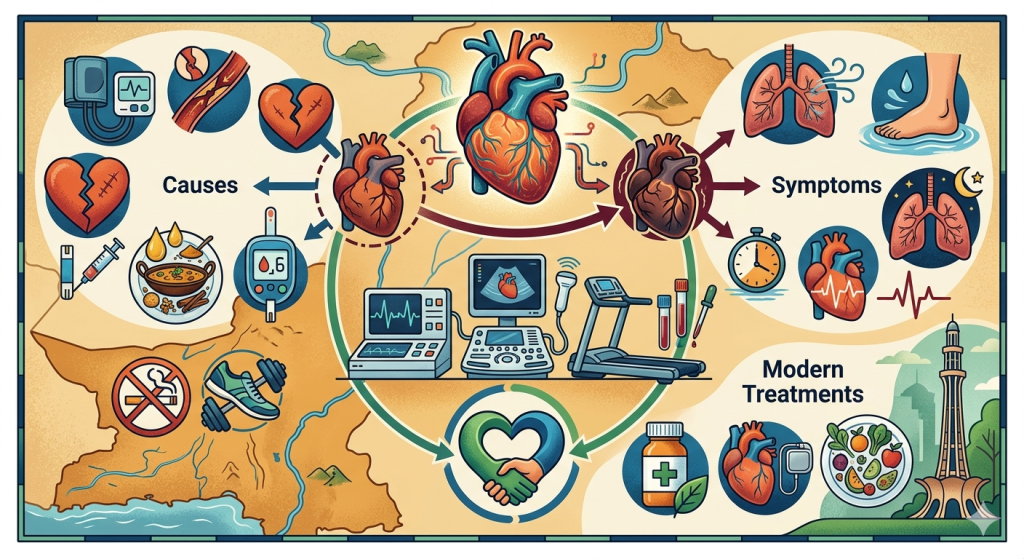
Several health conditions and lifestyle factors contribute to heart failure. In Pakistan, the most common causes include
• High blood pressure that puts strain on the heart
• Coronary artery disease and blocked arteries
• Previous heart attack
• Diabetes
• Obesity and lack of physical activity
• Smoking and unhealthy diet
Desi eating habits with high oil, salt, and ghee intake can also increase the risk of heart problems over time.
Symptoms of Heart Failure
Recognizing symptoms early is critical for effective treatment. Many patients ignore signs until the condition becomes severe.
Common dil ki kamzori symptoms Urdu include
• Saans ka phoolna (shortness of breath), especially during activity or while lying down
• Thakan aur kamzori (fatigue and weakness)
• Pao aur ankle mein sujan (swelling in legs, feet, or ankles)
• Seene mein bojh ya pressure (chest discomfort)
• Dil ki tez ya aniyamit dhadkan (irregular heartbeat)
• Raat ko saans lene mein mushkil (difficulty breathing at night)
If these symptoms persist, it is important to consult a heart failure specialist Pakistan for proper evaluation.
Types of Heart Failure
Heart failure can affect the heart in different ways depending on which part is weakened.
The main types include
• Left-sided heart failure, where the heart cannot pump blood efficiently to the body
• Right-sided heart failure, leading to fluid buildup and swelling
• Congestive heart failure, where fluid accumulates in the lungs and body
A cardiologist will determine the type and severity before recommending treatment.
How Heart Failure Is Diagnosed
Doctors use several tests to diagnose heart failure and assess heart function.
Common diagnostic methods include
• ECG to check heart rhythm
• Echocardiogram to evaluate heart structure and pumping ability
• Stress test to assess heart performance
• Blood tests to detect underlying conditions
• Chest X-ray to check fluid buildup in lungs
Early diagnosis allows for better management and improved outcomes.
Heart Failure Treatment in Lahore
Treatment focuses on improving heart function, reducing symptoms, and preventing complications.
A heart failure specialist Lahore may recommend
• Medications to strengthen the heart and control blood pressure
• Diuretics to reduce fluid buildup
• Lifestyle changes such as diet and exercise
• Devices like pacemakers for rhythm control
• Advanced procedures if needed
Patients often search for heart failure treatment Lahore to find specialized care that offers both medical and lifestyle management.
Lifestyle Changes for Managing Heart Failure
Lifestyle plays a crucial role in managing heart failure and improving quality of life.
Doctors usually recommend
• Reducing salt intake to prevent fluid retention
• Avoiding oily and fried foods
• Maintaining a healthy body weight
• Exercising regularly under medical guidance
• Quitting smoking
• Managing stress levels
Small changes can make a significant difference in long-term heart health.
When Should You See a Cardiologist?
Early consultation can prevent serious complications. You should see a cardiologist if you experience
• Shortness of breath during normal activities
• Persistent fatigue or weakness
• Swelling in legs or feet
• Rapid or irregular heartbeat
• Chest discomfort
Delaying treatment can worsen the condition, so timely medical attention is essential.
Heart Failure Care in Lahore and Gujranwala
With proper treatment and lifestyle management, many patients with heart failure can live active and fulfilling lives. Modern cardiology offers effective solutions to control symptoms and improve heart function.
Dr. Shoaib Sarwar Hashmi provides expert diagnosis and management for heart failure patients in Lahore and Gujranwala. His approach focuses on personalized care, advanced treatment options, and long-term heart health.
Get expert heart failure management with Dr. Shoaib and take the first step toward better heart health.
FAQ About Heart Failure in Pakistan
What is dil ki kamzori
Dil ki kamzori refers to heart failure, a condition where the heart cannot pump blood efficiently.
Can heart failure be cured
Heart failure cannot always be completely cured, but it can be managed effectively with proper treatment and lifestyle changes.
Is heart failure dangerous
Yes, if left untreated, it can lead to serious complications. Early diagnosis and treatment improve outcomes.
What foods should heart failure patients avoid
Patients should avoid salty, oily, and processed foods that can worsen fluid retention and heart strain.
When should I see a heart failure specialist
You should consult a specialist if you have symptoms like shortness of breath, swelling, or fatigue that do not improve.
Take your symptoms seriously and seek medical care early to protect your heart and overall health.