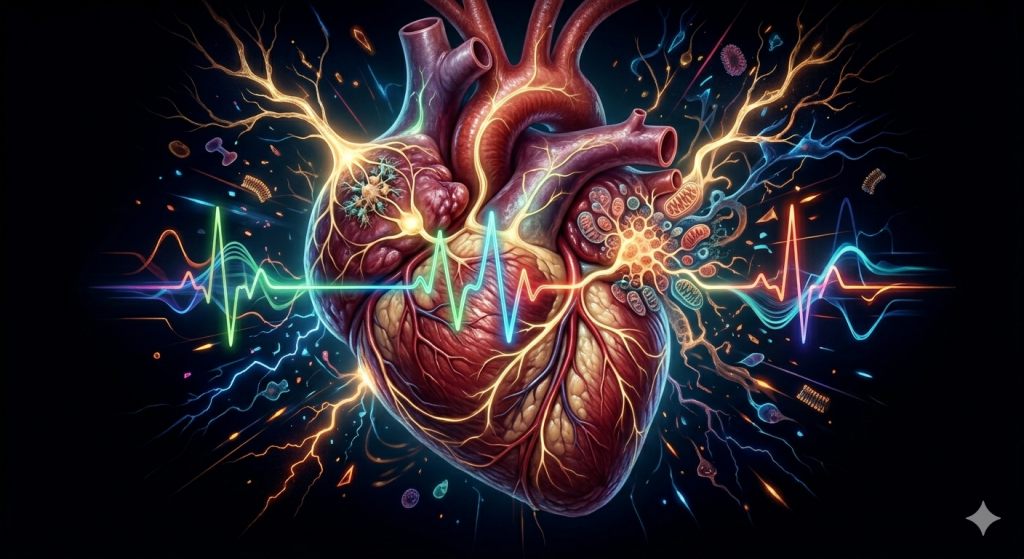
Have you ever felt your heart skip a beat, race suddenly, or beat irregularly? While occasional irregularities are common, persistent issues can indicate a serious condition known as arrhythmia. Understanding the causes, symptoms, and treatment options is crucial for maintaining a healthy heart.
Searching for an arrhythmia specialist Lahore can help patients get timely evaluation and prevent complications like stroke or heart failure.
What Is Arrhythmia?
Arrhythmia occurs when the heart’s electrical system malfunctions, causing it to beat too fast, too slow, or irregularly. Not all arrhythmias are dangerous, but some require immediate medical attention.
Common types include
• Atrial fibrillation (AFib) – irregular, often rapid heartbeat
• Bradycardia – unusually slow heartbeat
• Tachycardia – unusually fast heartbeat
• Premature heartbeats – early beats that may feel like skipped beats
Causes of Arrhythmia
Arrhythmias can result from several underlying conditions or lifestyle factors.
• Coronary artery disease or heart attack
• High blood pressure
• Heart valve problems
• Congenital heart defects
• Excessive caffeine, alcohol, or nicotine
• Stress or anxiety
Some arrhythmias are temporary and harmless, while others indicate serious heart issues.
Symptoms to Watch For
Early recognition of symptoms is essential. Irregular heartbeat Pakistan can present with:
• Palpitations – feeling like the heart is fluttering or skipping beats
• Dizziness or lightheadedness
• Shortness of breath
• Chest discomfort or pressure
• Fatigue or weakness
If these symptoms are frequent or severe, it is important to consult a cardiologist immediately.
Diagnosing Arrhythmia
An arrhythmia specialist Lahore will perform several tests to determine the cause and severity:
• Electrocardiogram (ECG) – records electrical activity of the heart
• Holter monitor – 24–48 hour heart rhythm tracking
• Echocardiogram – assesses heart structure and function
• Stress tests – evaluate heart performance during activity
• Blood tests – identify contributing conditions like thyroid issues
Accurate diagnosis is the first step toward effective management.
Treatment Options for Arrhythmia
Treatment depends on the type and severity of arrhythmia. Options include:
• Medications – to control heart rate or prevent blood clots
• Lifestyle changes – reduce caffeine, alcohol, and stress
• Medical procedures – such as cardioversion to reset the heart rhythm
• Implantable devices – pacemakers for slow heart rates or defibrillators for dangerous rhythms
For patients who may need a pacemaker, refer to our blog on Pacemaker Surgery in Pakistan: Who Needs It, What to Expect for more information.
When to Seek Urgent Care
Seek immediate medical attention if you experience:
• Severe chest pain
• Fainting or severe dizziness
• Rapid, irregular heartbeat lasting several minutes
• Shortness of breath that does not improve
These could be signs of a life-threatening arrhythmia.
Managing Arrhythmia Daily
Patients can manage mild arrhythmias with lifestyle adjustments:
• Eat a heart-healthy diet
• Exercise regularly, as advised by your doctor
• Avoid stimulants like excessive coffee and energy drinks
• Manage stress through meditation or relaxation techniques
• Take medications consistently as prescribed
Regular follow-ups with an arrhythmia specialist Lahore ensure ongoing monitoring and prevention of complications.
FAQ About Arrhythmia
What causes an irregular heartbeat in Pakistan
Common causes include high blood pressure, coronary artery disease, stress, excessive caffeine, and thyroid disorders.
Can arrhythmia be cured
Some arrhythmias are temporary and manageable, while others require medications, procedures, or devices like pacemakers.
When should I see an arrhythmia specialist
If you experience frequent palpitations, dizziness, shortness of breath, or chest discomfort, consult a specialist immediately.
Is atrial fibrillation dangerous
Yes, if untreated, AFib can increase the risk of stroke and heart failure, making early diagnosis and treatment essential.
Can lifestyle changes help arrhythmia
Yes, reducing stimulants, managing stress, and following a heart-healthy diet can improve symptoms and prevent worsening.
Book an arrhythmia evaluation with Dr. Shoaib Sarwar Hashmi today to assess your heart rhythm and receive expert care.