Feeling your heart race, flutter, skip a beat, or pound suddenly can be alarming. Many people describe this sensation as heart palpitations or an irregular heartbeat. But are palpitations dangerous, or are they usually harmless?
The answer depends on the cause, frequency, and associated symptoms. According to Dr. Shoaib Sarwar Hashmi, some irregular heartbeats are completely benign, while others may signal an underlying heart rhythm disorder that requires medical attention.
Understanding the difference is essential for protecting your heart health.
What Are Heart Palpitations?
Palpitations are the sensation that your heart is beating irregularly, too fast, too slow, or forcefully. You may feel:
A fluttering in the chest
A pounding heartbeat
A racing heart
A skipped beat sensation
Throbbing in the neck or throat
These sensations can last a few seconds or several minutes.
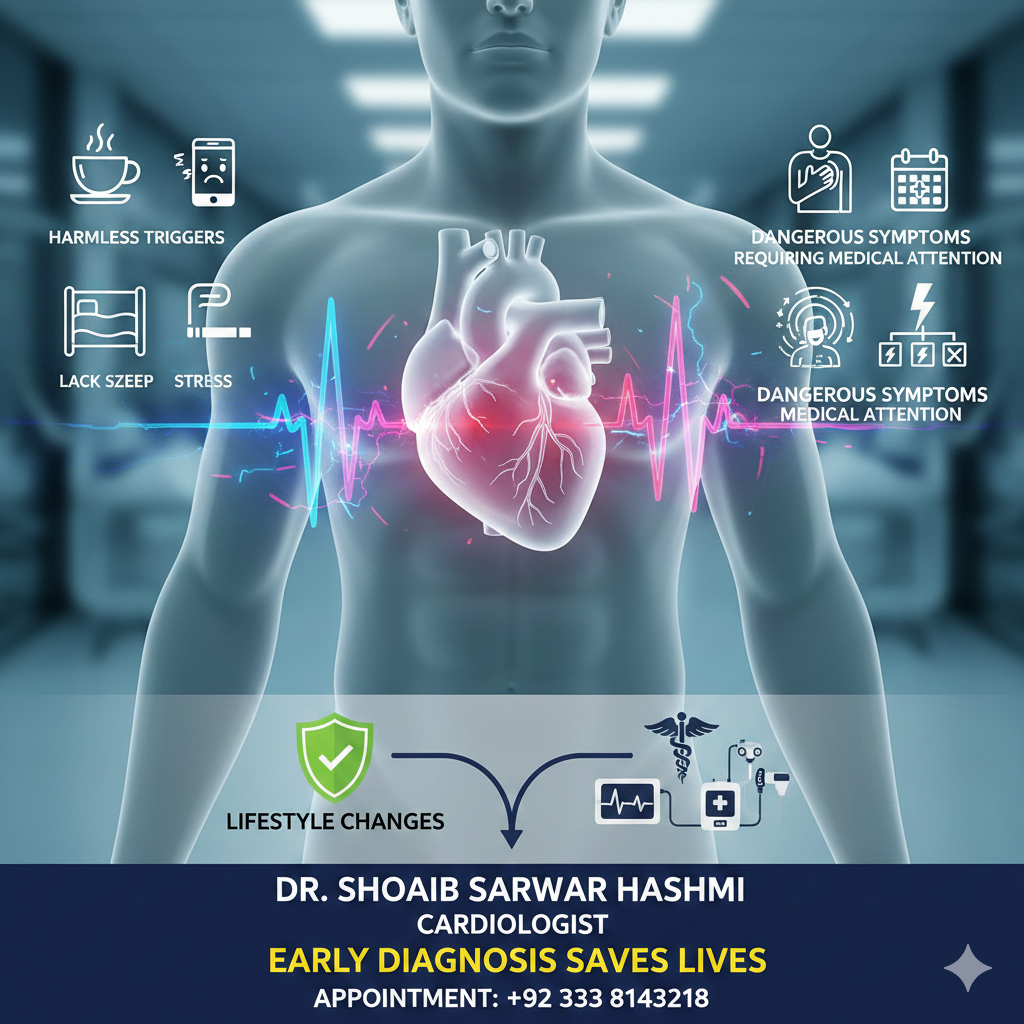
Dr. Shoaib Sarwar Hashmi explains that palpitations can occur even in healthy individuals, especially during stress, anxiety, caffeine intake, or lack of sleep.
Common Causes of Irregular Heartbeat
Not all irregular heartbeats are dangerous. Some common triggers include:
Stress and anxiety
Excess caffeine or energy drinks
Dehydration
Lack of sleep
Smoking or vaping
Hormonal changes
Certain medications
However, palpitations can also be caused by heart rhythm disorders such as arrhythmias.
When Are Palpitations Dangerous?
An irregular heartbeat may be dangerous if it is linked to an underlying heart condition. Warning signs that require immediate medical evaluation include:
Chest pain
Shortness of breath
Dizziness or fainting
Severe fatigue
History of heart disease
Family history of sudden cardiac death
Dr. Shoaib Sarwar Hashmi emphasizes that palpitations accompanied by these symptoms should never be ignored, as they may indicate serious arrhythmias such as atrial fibrillation or ventricular tachycardia.
Types of Arrhythmias That May Be Serious
Certain rhythm disorders can increase the risk of complications such as stroke or heart failure. These include:
Atrial fibrillation
Supraventricular tachycardia
Ventricular tachycardia
Bradycardia
Dr. Shoaib Sarwar Hashmi explains that early diagnosis through ECG and heart monitoring can prevent complications and allow timely treatment.
How Are Palpitations Diagnosed?
If you experience frequent or concerning palpitations, a cardiologist may recommend:
Electrocardiogram (ECG)
Holter monitoring
Echocardiogram
Blood tests
Stress testing
These tests help determine whether the irregular heartbeat is harmless or requires treatment.
Dr. Shoaib Sarwar Hashmi provides comprehensive cardiac evaluations to accurately diagnose rhythm disorders and create personalized treatment plans.
How to Reduce Mild Palpitations
If palpitations are caused by lifestyle factors, simple changes can help:
Reduce caffeine intake
Stay hydrated
Get adequate sleep
Manage stress
Avoid smoking and vaping
Maintain a balanced diet
Regular exercise and relaxation techniques can also stabilize heart rhythm.
When to See a Cardiologist
Occasional palpitations without other symptoms may not be serious. However, frequent episodes, worsening symptoms, or any associated chest pain or fainting require immediate medical evaluation.
Dr. Shoaib Sarwar Hashmi advises not to self diagnose. Even young and otherwise healthy individuals can develop rhythm disorders that need proper assessment.
If you are experiencing irregular heartbeat or palpitations, schedule a heart checkup with Dr. Shoaib Sarwar Hashmi for expert evaluation and peace of mind.
Final Thoughts
An irregular heartbeat can be harmless or potentially dangerous depending on its cause. While stress and caffeine are common triggers, persistent or severe palpitations may indicate an underlying arrhythmia.
Dr. Shoaib Sarwar Hashmi emphasizes the importance of early diagnosis, lifestyle management, and regular heart screening to ensure long term cardiovascular health.