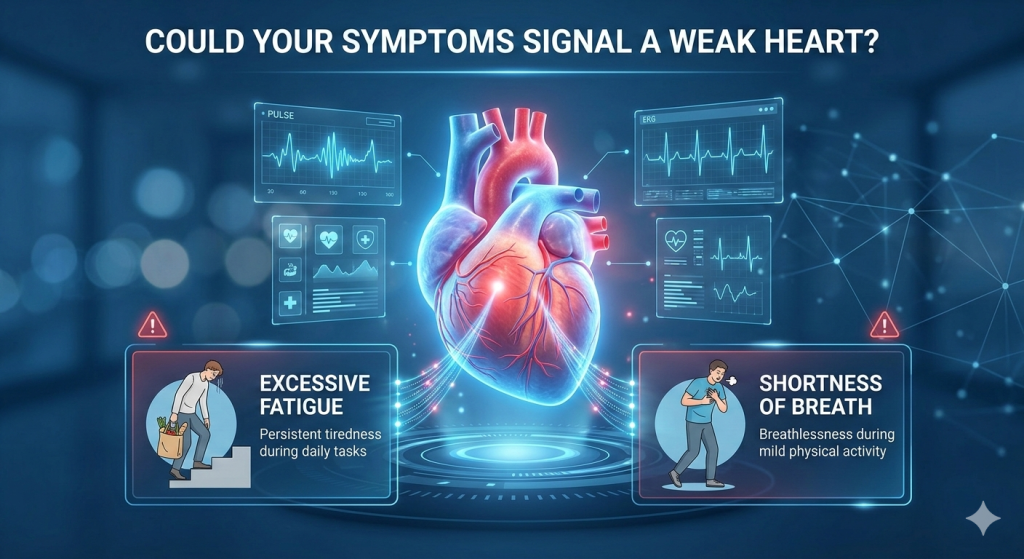
Feeling unusually tired while doing simple tasks like walking, climbing stairs, or doing household work is often ignored. Many people blame stress, lack of sleep, or aging. However, persistent fatigue and shortness of breath during daily activities can sometimes be early warning signs of heart problems.
According to Dr. Shoaib Sarwar Hashmi, unexplained tiredness and breathlessness may indicate that the heart is not pumping blood efficiently. Early evaluation can prevent serious complications.
Why Does a Weak Heart Cause Fatigue?
The heart’s main function is to pump oxygen-rich blood throughout the body. When the heart becomes weak or inefficient, muscles and organs do not receive enough oxygen and nutrients. As a result, you may feel:
Persistent tiredness
Low energy levels
Difficulty completing routine tasks
Exhaustion after mild activity
Dr. Shoaib Sarwar Hashmi explains that in early heart failure or weakened heart muscle, fatigue is often one of the first symptoms patients notice.
How Shortness of Breath Is Connected to Heart Health
Shortness of breath, especially during light physical activity, can signal that the heart is struggling to circulate blood properly. When the heart cannot pump efficiently, fluid may build up in the lungs, making breathing more difficult.
You may experience:
Breathlessness while walking short distances
Difficulty climbing stairs
Waking up at night feeling breathless
Needing extra pillows to sleep comfortably
Dr. Shoaib Sarwar Hashmi emphasizes that breathlessness linked to heart problems often worsens gradually over time.
Common Heart Conditions That Cause These Symptoms
Several cardiovascular conditions may cause extreme fatigue and shortness of breath:
Heart failure
Coronary artery disease
Cardiomyopathy
Arrhythmias
Severe anemia related to heart strain
Dr. Shoaib Sarwar Hashmi notes that these symptoms should not be ignored, especially in individuals with high blood pressure, diabetes, high cholesterol, or a family history of heart disease.
When Is It an Emergency?
Seek immediate medical attention if fatigue or shortness of breath is accompanied by:
Chest pain or pressure
Dizziness or fainting
Swelling in legs or ankles
Rapid or irregular heartbeat
Sudden severe breathlessness
These could be signs of a serious cardiac event.
Other Possible Causes of Fatigue and Breathlessness
Not all tiredness is related to heart disease. Other causes may include stress, anxiety, lung problems, thyroid disorders, poor sleep, and lack of physical fitness.
However, Dr. Shoaib Sarwar Hashmi advises that persistent or unexplained symptoms should always be evaluated to rule out heart conditions.
How Is a Weak Heart Diagnosed?
If you are experiencing ongoing fatigue or breathlessness, a cardiologist may recommend:
Electrocardiogram (ECG)
Echocardiography
Stress testing
Blood tests
Chest imaging
Dr. Shoaib Sarwar Hashmi provides comprehensive heart assessments to identify the underlying cause and recommend appropriate treatment.
How to Protect Your Heart
Preventive measures can reduce the risk of developing a weak heart:
Maintain a healthy diet
Exercise regularly
Control blood pressure and blood sugar
Avoid smoking and vaping
Manage stress effectively
Get regular heart screenings
Early detection allows for effective treatment and lifestyle adjustments that improve heart function.
If you feel extremely tired or experience shortness of breath during normal daily activities, do not ignore it. Book a heart checkup with Dr. Shoaib Sarwar Hashmi for expert evaluation and personalized care.
Final Thoughts
Extreme fatigue and shortness of breath during daily activities can sometimes be early signs of a weak heart. While these symptoms may have many causes, persistent or worsening signs should always be evaluated by a cardiologist.
Dr. Shoaib Sarwar Hashmi emphasizes that early diagnosis and proper management can prevent serious complications and improve quality of life.
Listening to your body and seeking timely medical advice can protect your heart for years to come.