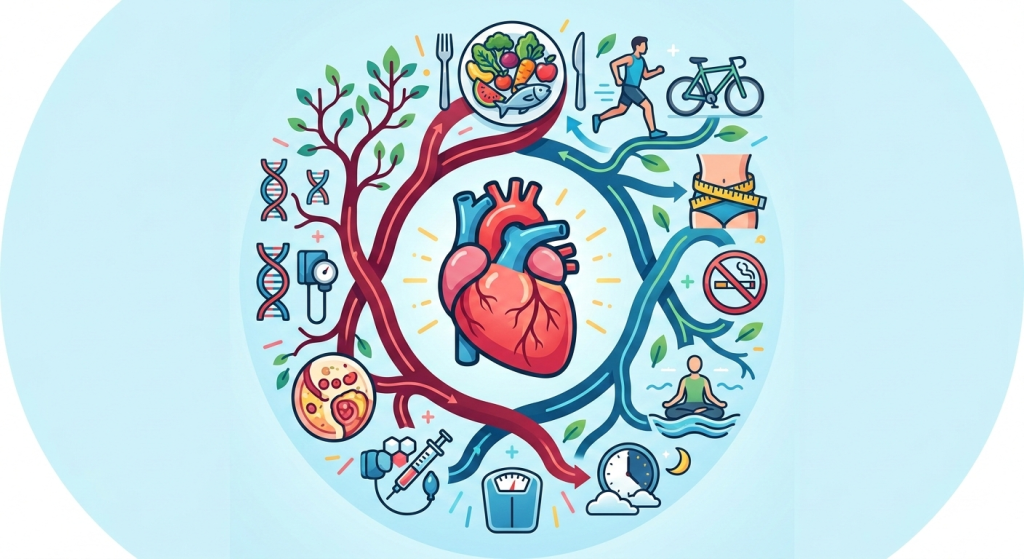
Many people believe that heart disease only happens if it runs in the family. While genetics can increase the risk, heart disease is not caused by family history alone. Lifestyle choices, diet, physical activity, and medical conditions also play a major role in determining a person’s heart health. According to Dr. Shoaib Sarwar Hashmi, even individuals without a family history can develop heart disease if they ignore important health factors.
Understanding Genetic Risk for Heart Disease
Family history does increase the likelihood of developing certain heart conditions. If close relatives such as parents or siblings have experienced heart attacks, high blood pressure, or other cardiac problems, the risk may be higher.
Dr. Shoaib Sarwar Hashmi explains that inherited factors can influence cholesterol levels, blood pressure, and how the body processes fats and sugars. These genetic tendencies may make some people more vulnerable to cardiovascular problems. However, having a family history does not mean a person will definitely develop heart disease.
Lifestyle Plays a Bigger Role Than Genetics
In many cases, lifestyle habits have a stronger impact on heart health than genetics. Diet, exercise, smoking, stress, and sleep patterns all influence how well the heart functions.
Dr. Shoaib Sarwar Hashmi emphasizes that unhealthy habits such as consuming excessive fried food, smoking, physical inactivity, and unmanaged stress significantly increase the risk of heart disease. On the other hand, maintaining healthy habits can greatly reduce the chances of developing cardiac problems, even in people with genetic risk.
Common Risk Factors for Heart Disease
Several medical and lifestyle factors contribute to heart disease. These include high blood pressure, high cholesterol, diabetes, obesity, and smoking.
Dr. Shoaib Sarwar Hashmi notes that conditions like diabetes and hypertension are increasingly common and can damage blood vessels over time. Poor dietary habits, excessive sugar intake, and sedentary lifestyles also increase the burden on the heart.
Managing these risk factors through proper medical guidance and healthy lifestyle changes is essential for long term cardiovascular health.
Why Regular Heart Screening Is Important
Even if someone feels healthy, routine cardiac screening can help detect early warning signs of heart disease. Blood pressure tests, cholesterol checks, ECGs, and other heart evaluations help doctors identify potential problems before they become serious.
Dr. Shoaib Sarwar Hashmi advises individuals with a family history of heart disease to start screening earlier and monitor their cardiovascular health regularly.
Protecting Your Heart Through Healthy Choices
There are many effective ways to lower the risk of heart disease. A balanced diet rich in fruits, vegetables, whole grains, and healthy fats supports cardiovascular health. Regular exercise helps strengthen the heart muscle and improve circulation.
Dr. Shoaib Sarwar Hashmi also recommends reducing salt intake, avoiding tobacco, managing stress, and maintaining a healthy weight to protect heart function.
When Should You Consult a Cardiologist?
If you experience symptoms such as chest discomfort, unusual fatigue, palpitations, dizziness, or shortness of breath, it is important to consult a heart specialist.
Dr. Shoaib Sarwar Hashmi provides expert consultation and heart health evaluations for individuals who want to better understand their risk factors and protect their cardiovascular health.
Call to Action: Book an appointment with Dr. Shoaib Sarwar Hashmi for a comprehensive heart checkup and personalized guidance for preventing heart disease.
Final Thoughts
Heart disease is not only determined by family history. While genetics can influence risk, lifestyle habits and medical conditions often play a larger role in the development of cardiovascular problems.
Dr. Shoaib Sarwar Hashmi emphasizes that understanding your risk factors, adopting healthy habits, and getting regular heart screenings can significantly reduce the chances of developing heart disease and help maintain long term heart health.