Blood-thinning medicines, also known as anticoagulants or antiplatelet drugs, are widely prescribed to prevent blood clots, heart attacks, and strokes. They are especially important for patients with atrial fibrillation, heart stents, valve disease, or a history of clotting disorders. While these medications are lifesaving, many patients are concerned about their potential side effects. According to Dr. Shoaib Sarwar Hashmi, blood thinners are generally safe when taken correctly, but awareness and regular monitoring are essential.
Why Are Blood Thinners Prescribed?
Blood-thinning medicines help prevent dangerous clots that can block arteries or travel to the brain and cause a stroke. Cardiologists prescribe them for conditions such as irregular heartbeat, coronary artery disease, deep vein thrombosis, pulmonary embolism, and after angioplasty or stent placement.
Dr. Shoaib Sarwar Hashmi explains that these medicines do not actually “thin” the blood. Instead, they reduce the blood’s ability to clot, lowering the risk of life threatening blockages.
Common Side Effects of Blood-Thinning Medicines
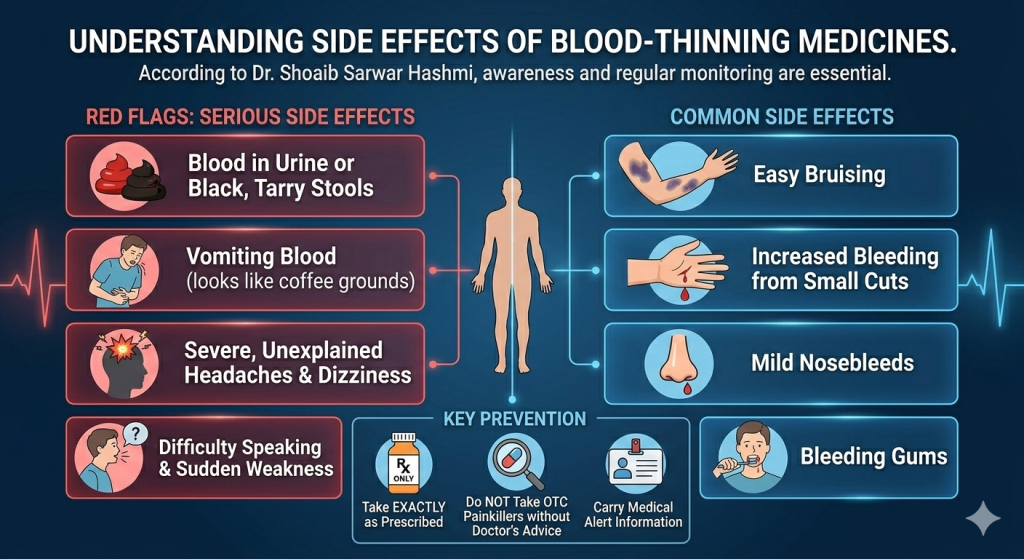
The most common side effect is increased bleeding. Because clotting is reduced, even small cuts or injuries may bleed longer than usual. Many patients experience easy bruising, mild nosebleeds, bleeding gums, or heavier menstrual periods.
Dr. Shoaib Sarwar Hashmi advises that mild bleeding symptoms are relatively common but should always be discussed during follow up visits to ensure safe dosage levels.
Serious Side Effects to Watch For
Although uncommon, serious bleeding complications can occur. Warning signs include blood in urine, black or tarry stools, vomiting blood, severe unexplained headaches, sudden weakness, dizziness, or difficulty speaking.
These symptoms may indicate internal bleeding and require immediate medical attention. Dr. Shoaib Sarwar Hashmi emphasizes that patients should never ignore unusual or severe symptoms while taking blood thinners.
Do Different Blood Thinners Have Different Risks?
Yes, different medications have slightly different safety profiles. Some require regular blood tests to monitor clotting levels, while others are given in fixed doses without frequent testing. The choice depends on the patient’s heart condition, kidney function, age, and overall health.
Dr. Shoaib Sarwar Hashmi carefully evaluates each patient before prescribing the most suitable blood thinner to balance clot prevention with bleeding risk.
Who Is at Higher Risk of Side Effects?
Certain individuals may face higher bleeding risks, including elderly patients, those with kidney or liver disease, individuals with a history of stomach ulcers, and patients taking multiple medications. Alcohol use can further increase complications.
Regular follow ups help identify and manage these risks early.
How to Reduce the Risk of Complications
Patients can minimize side effects by taking medication exactly as prescribed. Do not skip doses, double doses, or stop the medicine without consulting your cardiologist. Inform your doctor before any surgical or dental procedure. Avoid taking over the counter painkillers or herbal supplements without medical advice.
Dr. Shoaib Sarwar Hashmi also recommends carrying information about your medication in case of emergency.
Importance of Regular Monitoring
Ongoing monitoring ensures that blood-thinning medicines remain safe and effective. Some patients require periodic blood tests to check clotting levels, while others need routine heart evaluations.
Dr. Shoaib Sarwar Hashmi provides comprehensive medication management, heart screening, and personalized treatment plans to prevent both clotting and bleeding complications.
If you are taking blood-thinning medicines and notice unusual bleeding or have concerns, schedule a consultation with Dr. Shoaib Sarwar Hashmi for expert guidance and safe heart care.
Final Thoughts
Blood-thinning medicines are essential for preventing heart attacks and strokes, but they must be used carefully. While mild bleeding is common, serious side effects are rare when treatment is properly monitored.
Dr. Shoaib Sarwar Hashmi emphasizes that patients should never stop blood thinners without medical advice. With correct dosage, regular follow up, and professional supervision, these medications remain one of the most effective tools for protecting long term heart health.